Premier Waterproofing
If you’ve noticed cracks in your walls, doors sticking, or floors starting to sag, it’s easy to assume the worst—foundation problems.
But here’s the truth: not every crack or shift in your home means you need major foundation repair.
In the NC Triad, homes in High Point, Greensboro, and Winston-Salem deal with unique conditions like clay soil, humidity, and seasonal movement. These factors can cause changes in your home that look serious—but aren’t always structural.
In this guide, we’ll break down the difference between normal settling and real foundation problems, what warning signs to look for, and when it’s time to take action. And if you do need help, our foundation repair services are designed specifically for homes in the Triad.
Premier Waterproofing

The soil in this area expands when it absorbs water and shrinks when it dries out. That movement puts stress on your foundation over time.
This can lead to:
In many cases, this type of movement is normal and doesn’t require immediate repair.

Water is one of the biggest contributors to foundation problems. Poor drainage, heavy rain, and groundwater pressure can weaken the soil supporting your home.
Over time, this can lead to:
Not every issue you see is a sign of serious damage. Some changes are part of how homes naturally settle and adjust over time.
Small, thin cracks—especially around windows or doors—are often cosmetic. These typically don’t indicate structural failure.
If doors or windows stick during certain times of the year but work fine later, it’s usually due to humidity and soil movement—not a failing foundation.
Slight dips or slopes in flooring can happen over time, especially in older homes. However, if floors are getting worse, it’s worth a closer look.

Some signs point to deeper structural issues that shouldn’t be ignored.
If your floors feel soft, bouncy, or visibly sagging, it may indicate structural support issues beneath your home. This is especially common in crawl spaces.
If you’re noticing this, learn more about the causes and solutions for sagging floors and foundation problems.
Cracks that widen over time, appear in stair-step patterns, or run diagonally across walls can signal foundation movement.
For a deeper breakdown, see our guide on foundation crack repair in North Carolina.
If doors and windows suddenly stop closing properly and don’t improve with seasonal changes, it could be due to shifting in your foundation.
Walls that appear to bow inward or lean are a serious sign of pressure from outside soil and should be addressed quickly.
Understanding the cause helps determine the right solution.

Water pooling near your foundation weakens the soil and increases pressure on your walls.
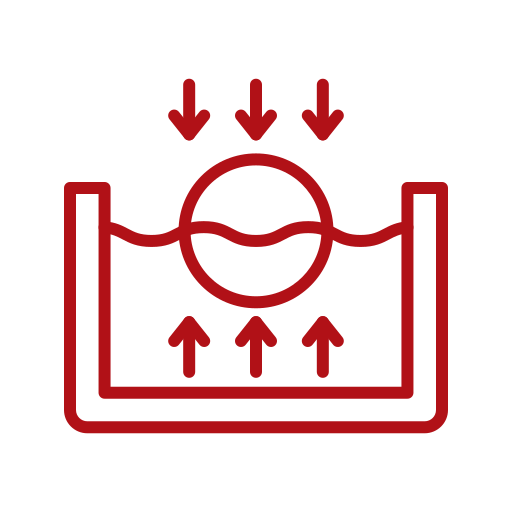
When soil becomes saturated, it pushes water and pressure against your foundation, leading to cracks and leaks.

Excess moisture under your home can weaken structural supports and lead to sagging floors and instability.
When a real structural issue is present, the goal is to stabilize your home and prevent further movement.
Solutions may include:
The right solution depends on your home’s condition and the underlying cause.
For a full breakdown of available solutions, explore our foundation repair services.
Fixing the structure alone isn’t enough. Long-term success depends on solving the underlying issue, such as:
Small issues can turn into major repairs if left unaddressed.
On the flip side, many homeowners assume they need expensive repairs when the issue is minor or seasonal.
Surface-level repairs like patching cracks don’t solve the underlying problem and often lead to recurring issues.
Homes in High Point, Greensboro, and Winston-Salem deal with conditions that naturally stress foundations.
Expansive clay soil expands when wet and shrinks when dry, causing ongoing movement that can lead to cracks and settling.
Heavy seasonal rainfall saturates the ground, increasing pressure around your foundation and raising the risk of shifting or water intrusion.
High humidity adds another layer, especially in crawl spaces, where moisture can weaken supports and contribute to sagging floors.
Because of these factors, foundation issues in the Triad aren’t one-size-fits-all. The right solution needs to address both the structure and the underlying moisture conditions.
If you’re unsure whether your foundation issue is serious, the best step is a professional inspection.
A proper evaluation can determine:
Cracks that are widening, diagonal, or stair-step in pattern are more likely to indicate structural movement.
Not always. They can also be caused by weakened supports in a crawl space, but they should still be inspected.
Yes. Small issues can become more severe if the underlying cause isn’t addressed.
Not necessarily. Costs vary depending on the severity of the issue and the solution required.
Some repairs can be completed in a day, while more complex projects may take several days.
Yes, inspections and estimates are free for homeowners in the Triad.
If you’re seeing signs of foundation movement, sagging floors, or cracking walls, don’t guess.
Our team will inspect your home, explain what’s going on, and recommend the right solution—without pressure.